
Embarking on the journey to learn spoken Arabic for beginners opens doors to rich cultures and global opportunities. This guide offers practical steps and insights into mastering the spoken Arabic language, making your initial learning experience smooth and engaging. You’ll find out how to choose the right dialect and leverage effective online resources to communicate confidently.
Why Learn Spoken Arabic Today?
Connecting with a Global Community
Learning spoken Arabic connects you with over 422 million native speakers worldwide, making it the fifth most spoken language globally. Imagine the possibilities for travel, business, and cultural exchange! Many individuals find new career paths in international relations, journalism, or education by adding Arabic to their skill set. A 2025 report by Statista highlighted a steady increase in non-native learners seeking proficiency, driven by global connectivity.
Beyond numbers, conversational Arabic allows for genuine connections. Picture yourself navigating the vibrant souks of Marrakech or engaging in meaningful discussions with colleagues in Dubai. This direct engagement fosters understanding and builds bridges across diverse communities.
Choosing Your Path: Modern Standard Arabic or Egyptian Colloquial?
Navigating the Dialects of the Spoken Arabic Language
When you decide to learn spoken Arabic, a common question arises: which dialect should you focus on? Modern Standard Arabic (MSA) serves as the formal, written language used across the Arab world in media, literature, and official communications. It provides a foundational understanding. However, for everyday conversations, you’ll need a colloquial dialect.
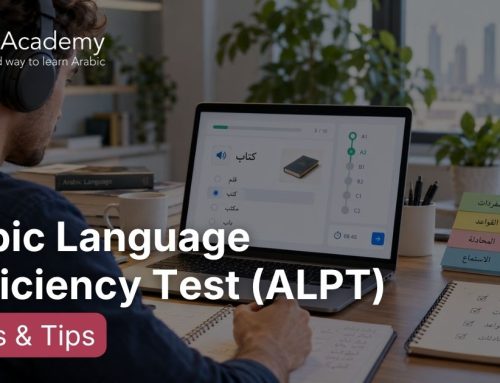
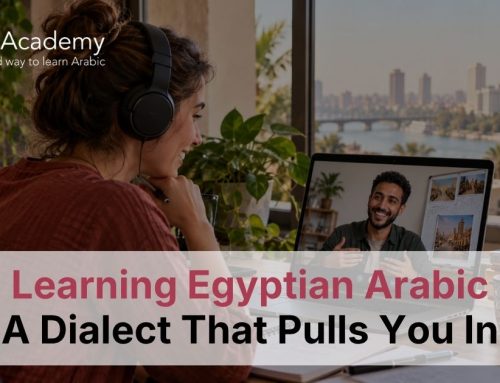
Egyptian Colloquial Arabic (ECA) is one of the most widely understood dialects due to Egypt’s significant influence in Arab cinema and music. It’s an excellent choice for learners seeking practical communication skills. Arab Academy understands the need for structured guidance when learning Arabic. We offer dedicated courses for both Modern Standard Arabic and Egyptian Colloquial Arabic, taught as separate, comprehensive programs, ensuring clear focus and mastery in your chosen path. Our Arabic Language Proficiency Test (ALPT) is specifically designed for MSA learners to gauge their progress effectively.
Effective Strategies for Learning Spoken Arabic Online
Making the Most of Digital Resources
The digital age has made learning a new language more accessible than ever, especially for spoken Arabic online. Consistent practice is key. Try to integrate Arabic into your daily routine, even if it’s just for 15-20 minutes. This could involve listening to Arabic podcasts during your commute or labeling items around your home with their Arabic names.
A recent survey by Research and Markets projected the online language learning market to reach over $50 billion by 2026, indicating a strong trend towards digital education. This growth reflects the effectiveness and flexibility of online platforms. For instance, Sarah, a student from the UK, shared her experience. “Starting with Arab Academy’s online classes felt daunting, but the interactive lessons and patient instructors made a huge difference. Within six months, I could confidently order food and ask for directions during my trip to Cairo.” Her story highlights the tangible progress possible with structured online learning.
Building Your Spoken Arabic Vocabulary and Confidence
Practical Steps for Beginners
Mastering vocabulary is crucial for conversational fluency. Focus on high-frequency words and phrases relevant to daily life. Think about greetings, common questions, and basic descriptions. Flashcards, language apps, and consistent review sessions can significantly boost your retention.
Here are some practical tips to enhance your spoken Arabic for beginners:
- Immerse Yourself (Even at Home): Listen to Arabic music, watch Egyptian films with subtitles, or find Arabic news channels. Exposure helps you recognize sounds and rhythms naturally.
- Find a Language Partner: Practice speaking with native speakers or fellow learners. This builds confidence and provides real-time feedback.
- Don’t Fear Mistakes: Every mistake is a learning opportunity. Focus on communicating your message, and fluency will follow.
- Focus on Core Phrases: Prioritize common conversational phrases over isolated words. Knowing how to say “How are you?” or “What is your name?” is more immediately useful.
Your Journey with Arab Academy: Comprehensive Spoken Arabic Courses
Structured Support for Every Learner
Arab Academy is dedicated to providing high-quality Arabic education. Our programs are trusted by universities like Duke and Cambridge for their robust curriculum and effective teaching methodologies. We understand that every learner has unique needs. That’s why we focus on creating an environment where learning feels supportive and achievable, not overwhelming.
Flexible Learning Options: We offer a variety of flexible learning options to fit your schedule and budget, including self-paced courses and live one-on-one online classes. Our Kids courses focus exclusively on Modern Standard Arabic, providing a strong foundation for younger learners. We are here to guide you every step of the way, helping you achieve your goals in learning the spoken Arabic language.