
Learning how to read Arabic might seem challenging when the script looks unfamiliar, but it’s entirely achievable with the right approach. Focus on mastering the Arabic alphabet, understanding letter connections, and practicing consistently to build fluency. This foundational knowledge opens up a world of rich cultural and linguistic experiences.
Decoding the Arabic Alphabet: Your First Step to Reading
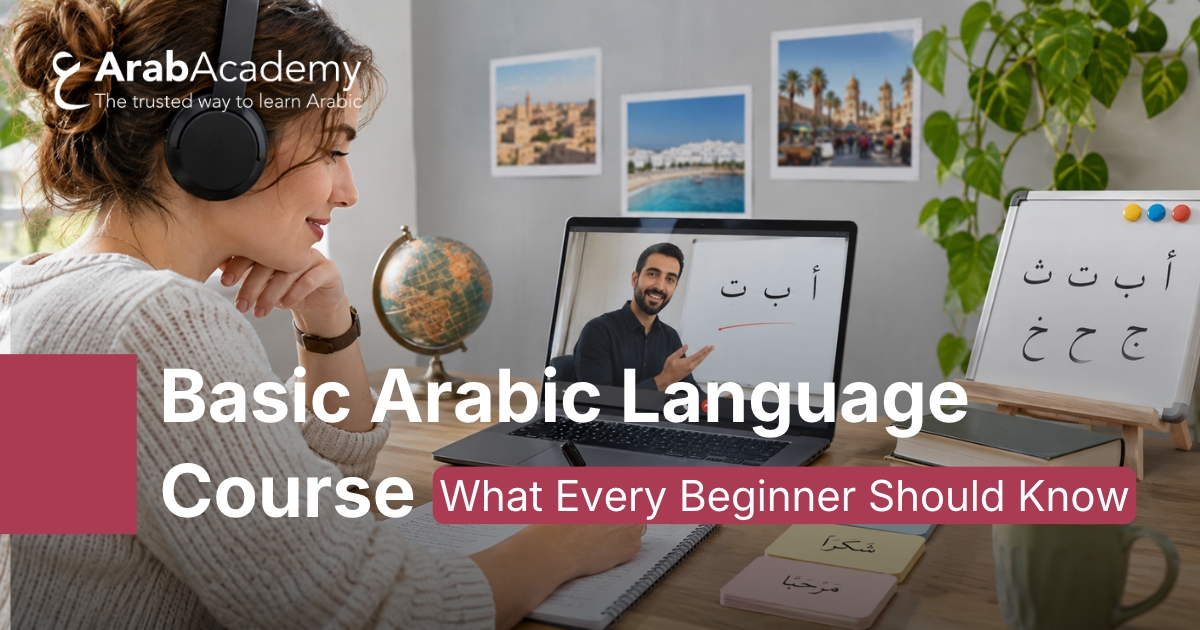
Learning to read Arabic begins with its unique alphabet. Unlike English, Arabic is read from right to left, and its 28 letters often change shape depending on their position within a word. This might sound complex, but with structured lessons, you’ll quickly grasp these variations. Arab Academy understands the need for structured guidance when learning Arabic. We break down the alphabet into manageable lessons, making it easy for beginners to understand how to read Arabic letters and how to read Arabic words.
Understanding Letter Connections and Vowels
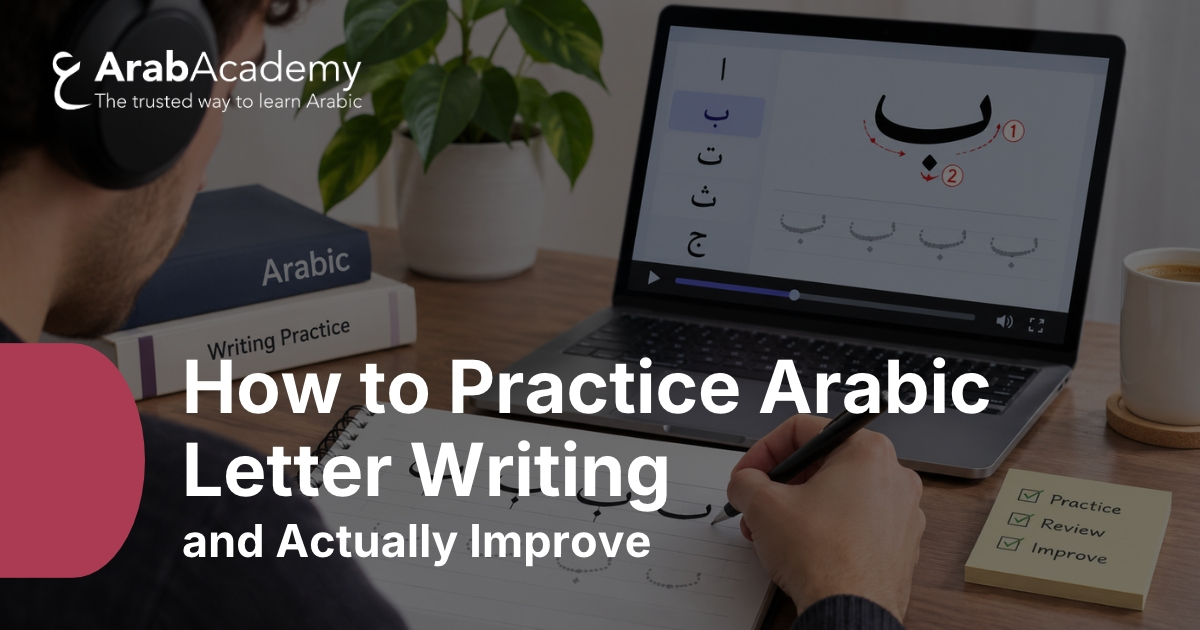
The key to reading Arabic easily lies in recognizing how letters connect. Most Arabic letters have four forms: isolated, initial, medial, and final. For instance, ‘ب’ (ba) looks different at the start of a word compared to its middle. Short vowels are also crucial, indicated by small marks, guiding pronunciation.
Practical Strategies for How to Read Arabic Effectively
Beyond the basics, consistent practice is your best ally. Start with simple words and phrases, gradually moving to more complex sentences. Many learners find success by immersing themselves in authentic materials. For example, Sarah, a student from the U.S., initially struggled with how to read Arabic writing. She focused on recognizing common root words and practiced reading short stories. Within a few months, she navigated basic texts with growing confidence, proving steady effort pays off.
Building Fluency: From Words to Sentences
Once you grasp individual letters and basic words, the next step is to understand how to read Arabic in complete sentences. This involves learning grammatical structures and common sentence patterns. Consistent exposure helps internalize these patterns. For those who want to learn how to read and write Arabic, practicing both skills simultaneously can reinforce learning, as writing helps solidify letter recognition and formation.
Arab Academy’s Approach to Helping You Learn How to Read Arabic
Arab Academy is dedicated to providing a clear path for anyone who wants to learn how to read Arabic. We focus on Modern Standard Arabic (MSA) and Egyptian Colloquial Arabic (ECA), offering distinct courses for each to ensure targeted learning. Our curriculum simplifies complex concepts, making the journey enjoyable.
Flexible Learning Options: We offer a variety of flexible learning options to fit your schedule and budget, including self-paced courses and live one-on-one online classes. Our courses for kids specifically focus on Modern Standard Arabic, building a strong foundation from a young age.
Advanced Learning and Assessment
As you progress in Modern Standard Arabic, our Arabic Language Proficiency Test (ALPT) stands ready to help you measure your growth. This assessment is specifically designed for MSA learners, providing a clear snapshot of your current abilities.
The ALPT helps you identify your strengths and pinpoint areas where you can focus for even greater mastery. It’s a supportive way to understand your journey so far and guide your next steps.
Ultimately, this tool empowers anyone committed to learning how to read Arabic, offering confidence and clarity as you continue to build your reading fluency.
Ready to Start Your Journey?
Learning how to learn to read Arabic fast is about consistency and the right resources. Whether you’re interested in understanding everyday conversations in Egypt or engaging with classical texts, the foundational skills remain the same. Take the first step today.