
Unlock Fluency and Cultural Connection
Learning conversational Arabic for beginners is most effective when combining structured instruction with consistent speaking practice. Choosing between Modern Standard Arabic (MSA) and a popular dialect like Egyptian Colloquial Arabic (ECA) depends on your goals, but live online conversational Arabic classes offer tailored guidance to build fluency efficiently and confidently.
Why Learn Conversational Arabic?
Connecting with a Rich and Dynamic World
Imagine engaging directly with people from diverse cultures, understanding their stories, and experiencing the world through a new lens. Learning Arabic offers just that. Arabic is spoken by over 420 million people worldwide, making it a powerful language for global communication and cultural exchange. It opens doors to a rich tapestry of history, art, and philosophy.
Beyond cultural enrichment, Arabic proficiency can boost your career prospects. A 2026 report by Gitnux highlights that Arabic skills can add a 10% premium to salaries in the Middle East, reflecting the growing demand for multilingual talent in various sectors. Whether for travel, business, or personal growth, the advantages are clear.
Moreover, learning a new language, especially one with a different linguistic structure like Arabic, is an excellent brain workout. It enhances cognitive skills, sharpens problem-solving abilities, and even delays cognitive ageing, according to research. It’s a journey of personal growth as much as it is linguistic.
Choosing Your Path: Modern Standard Arabic vs. Dialects
Finding the Right Fit for Your Conversational Goals
One of the first decisions you’ll face is choosing between Modern Standard Arabic (MSA) and a regional dialect. MSA is the formal, written Arabic used in media, literature, and official communications across the Arab world. It provides a solid foundation in grammar and vocabulary, universally understood in formal contexts. However, it’s generally not used in daily conversation.
For everyday interactions, a colloquial dialect is essential. Egyptian Colloquial Arabic (ECA) is often considered the most widely understood dialect, largely due to Egypt’s long-standing influence in Arab film, television, and music. Many Arabs across the region have grown up hearing ECA, making it an excellent choice if your goal is broad conversational reach.
Arab Academy understands the need for structured guidance when learning Arabic. We focus on both Modern Standard Arabic and Egyptian Colloquial Arabic, taught as separate, comprehensive courses. This ensures you build a strong foundation while also gaining practical conversational skills for real-world scenarios. We do not offer Quranic Arabic courses, focusing instead on contemporary communication.
The Power of Live, Interactive Conversational Arabic Classes Online
Engage, Practice, and Thrive
In 2026, the online language learning market is projected to continue its significant growth, with a 13.1% increase expected. This trend highlights the increasing popularity and effectiveness of virtual classrooms. Live online classes offer unparalleled flexibility, allowing you to learn from anywhere, fitting lessons around your busy schedule.
A key insight from language learning trends in 2026 is the shift towards adaptive, use-driven systems where speaking and listening come first. While self-study apps are popular, tutor-led live instruction is set to grow at a 21.25% CAGR through 2031, emphasizing the value of human interaction for conversational fluency. This human element is crucial for refining pronunciation, receiving immediate feedback, and building confidence.
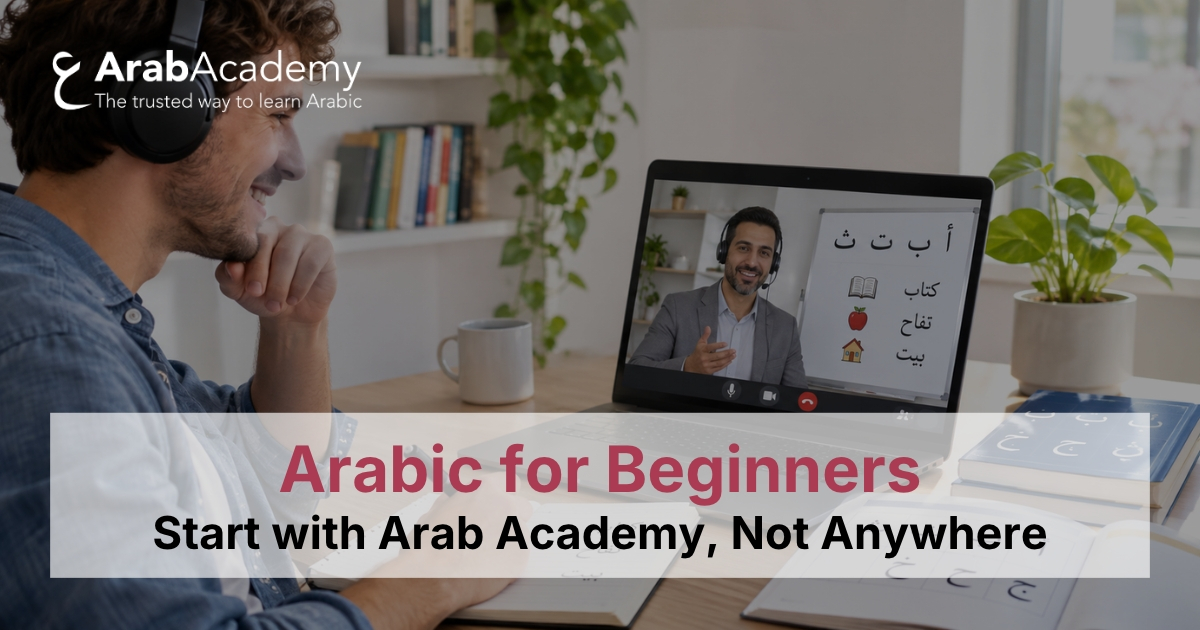
Flexible Learning Options: We offer a variety of flexible learning options to fit your schedule and budget, including self-paced courses and live one-on-one online classes. Our approach emphasizes real-time interaction with experienced instructors, ensuring you get the practice you need to speak Arabic confidently. Imagine connecting with your tutor from home, discussing everyday topics, and receiving personalized guidance on your pronunciation and grammar. This direct engagement accelerates your journey to fluency.
Practical Tips for Beginners to Master Conversational Arabic
Building Momentum and Confidence
Starting your Arabic journey can feel exciting, and a few simple habits can make a huge difference. First, consistency is key. Even short, regular practice sessions are more effective than infrequent, long ones. Aim for daily exposure, whether through a quick lesson, listening to Arabic music, or reviewing new vocabulary.
Second, speak from day one. Don’t wait until you feel ‘perfect.’ Embrace mistakes as part of the learning process. Try simple greetings, introduce yourself, or ask basic questions. The more you speak, the faster your brain adapts to forming sentences and recalling words.