
Your First Steps into the Arabic Language
The Arabic language, with its rich history and intricate script, can seem daunting to approach. If you’re a beginner learning the Arabic language, the sheer volume of new information can feel overwhelming. Where do you even begin? Many potential learners are put off, with some studies suggesting that initial perceived difficulty is a major factor in drop-out rates. Fear not! This guide will break down how to start learning Arabic in a manageable and engaging way.
The key is to start small, stay consistent, and focus on practical communication. It’s about building a solid foundation you can build upon, brick by brick. Think of it like constructing a magnificent building; the foundation is key.
Arab Academy understands the need for structured guidance when learning Arabic. We offer a variety of flexible learning options to fit your schedule and budget, including self-paced courses and live one-on-one online classes
Set Realistic Goals for Beginner Learning Arabic
Defining Your Arabic Language Learning Journey
Before diving in, ask yourself: Why do you want to learn Arabic? Are you planning a trip to Egypt? Do you want to connect with family members? Or are you simply fascinated by Arabic culture and literature? According to a recent Babbel survey, 65% of language learners achieve their goals when they set specific, measurable, achievable, relevant, and time-bound (SMART) goals.
For instance, instead of saying, “I want to learn Arabic,” try, “I want to be able to order food and ask for directions in Arabic within three months.” This level of specificity will help you track your progress and stay motivated. Avoid aiming for fluency immediately. Aim for basic conversational skills first. This is the best way to start learning Arabic as a beginner.
Choose the Right Dialect to Start Learning Arabic
Modern Standard Arabic (MSA) vs. Colloquial Arabic
Arabic has many dialects, each unique to a specific region. Modern Standard Arabic (MSA) is the formal, standardized version used in writing, news, and official settings. It’s understood across the Arab world, but it’s not commonly spoken in everyday conversations.
Colloquial Arabic, on the other hand, refers to the various spoken dialects. Egyptian Colloquial Arabic is the most widely understood dialect due to the popularity of Egyptian movies and music. Levantine Arabic (spoken in Lebanon, Syria, Palestine, and Jordan) is another popular choice.
Which should you choose? If your goal is to read Arabic literature or understand news broadcasts, MSA is the way to go. If you want to communicate with people in a specific region, learn the local dialect. We offer both Modern Standard Arabic and Egyptian Colloquial Arabic. We do not offer Quranic Arabic courses.
For example, choosing Egyptian Colloquial Arabic might be ideal if you plan to work or travel extensively in Egypt. At the same time, MSA will provide a wider base for understanding written materials and formal speech across the Arab world.
Start Learning Arabic with the Fundamentals
Mastering the Alphabet and Basic Grammar
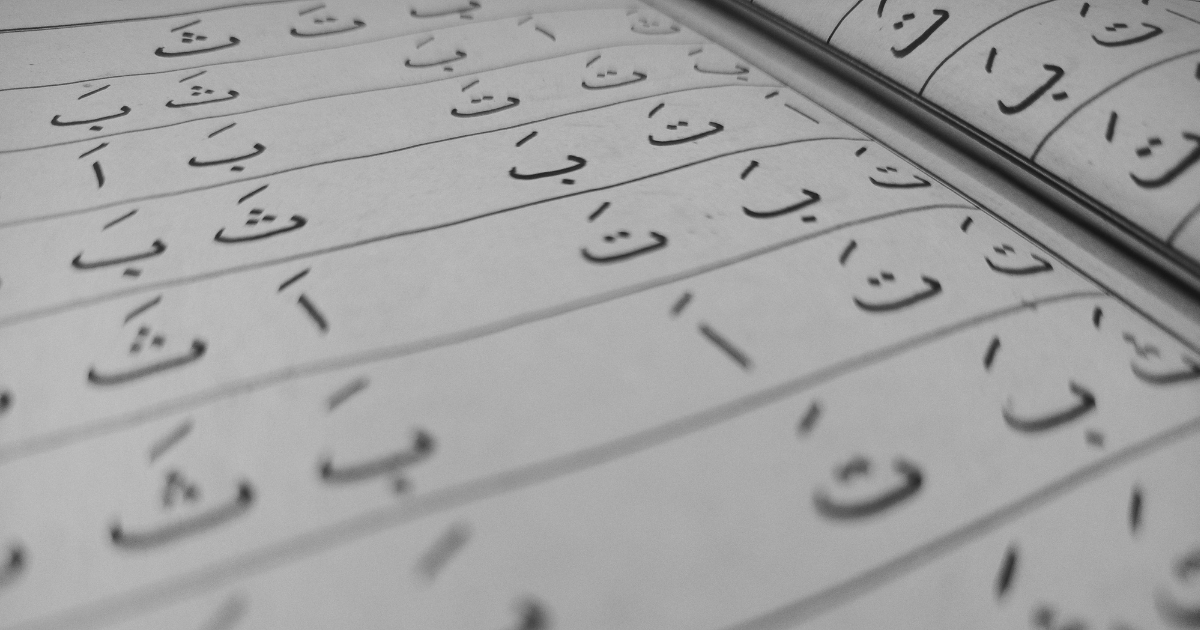
The Arabic alphabet is different from the English alphabet, and it’s written from right to left. While it might seem daunting at first, it’s actually quite logical. Each letter has different forms depending on its position in a word (beginning, middle, or end).
Start with learning to recognize and pronounce each letter. Once you’re comfortable with the alphabet, move on to basic grammar. Focus on simple sentence structures and verb conjugations. Don’t aim for perfection; aim for understanding. Remember, even native Arabic speakers make mistakes!
According to research by the University of Maryland, students who focus on mastering the fundamentals of grammar early on perform significantly better in advanced language courses. It’s about building that solid foundation from the outset.
Consider starting with the following phrases. ‘مَرْحَبًا’ (Marhaban) – Hello, ‘شُكْرًا’ (Shukran) – Thank you, and ‘نَعَمْ’ (Na’am) – Yes. Using these in real life will help boost your confidence!
How to Start Learning Arabic Without Feeling Overwhelmed
Embark on your journey of beginner learning the Arabic language with practical steps.
If you’re wondering how to start learning Arabic, remember that breaking down the challenge is key. It’s easy to feel overwhelmed by the prospect of mastering such a rich and nuanced language. However, many find the initial stages challenging, but with a practical approach, it can be an incredibly rewarding experience. Forget about aiming for fluency overnight; instead, let’s focus on manageable steps to begin your journey.
One of the biggest hurdles for beginners is often the perceived complexity of the Arabic language, particularly the script and grammar. Instead of dwelling on the difficulties, focus on celebrating small victories. Immerse yourself gradually in the language and culture. According to a 2023 study by the Modern Language Association, learners who set achievable, short-term goals are significantly more likely to maintain their motivation and continue their language learning journey. Remember, every fluent speaker started exactly where you are now, and consistency is the key.
Now that you’re ready to start learning Arabic, explore the flexible learning options Arab Academy offers. From self-paced courses to live one-on-one online classes, we provide the support you need to succeed. Let us guide you on your path to Arabic fluency!