
Your First Step to Fluency
Learning the alphabet of Arabic language is your essential first step towards a rich linguistic and cultural journey. With 28 unique letters, understanding their shapes and sounds forms the foundational skill for reading, writing, and speaking Arabic, opening doors to communication across the Arab world. This foundational knowledge is key to engaging with a language spoken by over 400 million people globally.
Decoding the Arabic Script: Shapes and Sounds
Understanding the Abjad System
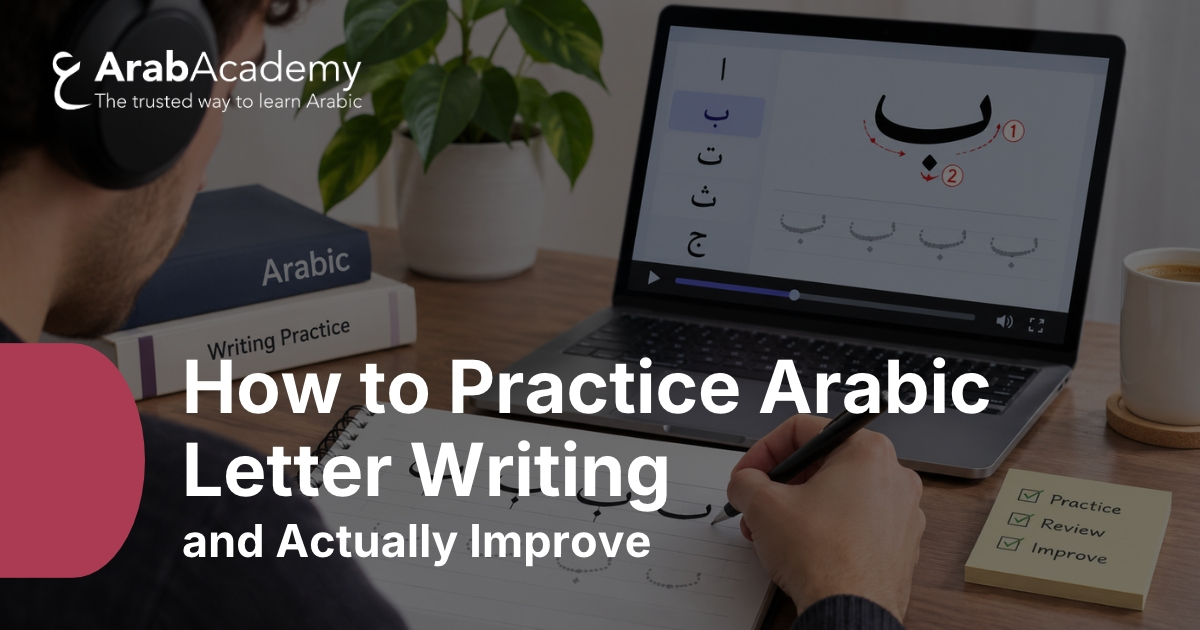
Unlike English, the Arabic alphabet primarily features consonants, operating as an abjad system. Short vowel sounds are indicated by small diacritical marks, known as harakat, placed above or below the consonant letters. You’ll find that three letters, Alif, Waw, and Yaa, also serve as long vowels, which is a fascinating aspect of the script.
Arabic is written from right to left, a unique characteristic that quickly becomes second nature. A particularly beautiful and functional feature is how the letters connect within a word, changing their shape based on their position, whether isolated, initial, medial, or final. For instance, Sarah, a student from the U.S., initially found this concept intriguing. She quickly realized that by focusing on the core shape and then observing its variations, she could recognize patterns much faster than she anticipated, making the learning process feel like solving a delightful puzzle.
This fluid, cursive style is not just visually appealing, but it also provides a continuous flow to the language on paper. It’s a system that, once you grasp its logic, feels incredibly intuitive and harmonious.
Beyond the Basics: Pronunciation and Cultural Connection
Embracing Unique Sounds and Global Impact
Accurate pronunciation is crucial when learning Arabic, as some sounds do not have direct equivalents in English. Letters like ‘ayn and ghayn, for example, require engaging different parts of your throat and tongue. Consistent practice and attentive listening help you master these distinct phonetics, ensuring your spoken Arabic is clear and understood.
Learning Arabic extends far beyond mere communication; it offers a direct pathway to understanding the rich tapestry of Arab culture, history, and values. This language serves as an official language in 22 countries, spanning North Africa and the Middle East, making it a vital tool for global interaction. Engaging with Arabic allows you to appreciate ancient literature, contemporary media, and everyday conversations with a depth that translations simply cannot capture.
Your Guided Journey with Arab Academy
Expert Support for Your Learning Goals
Arab Academy understands the need for structured guidance when learning Arabic. Our programs are designed to support you every step of the way, ensuring you build a strong foundation and progress confidently. We focus on Modern Standard Arabic (MSA), which is widely used in formal settings, media, and education, and Egyptian Colloquial Arabic (ECA), a popular spoken dialect.
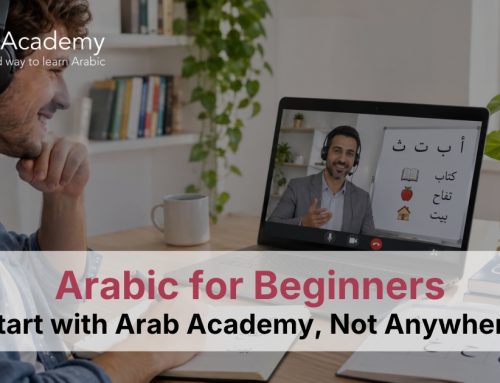
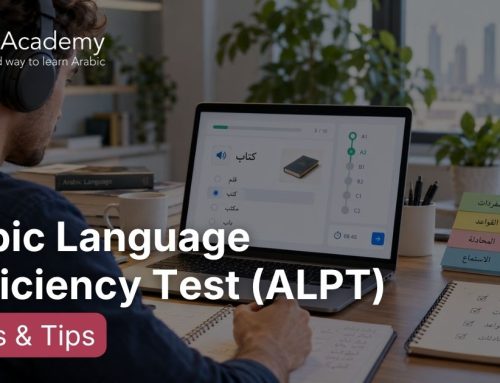
Flexible Learning Options: We offer a variety of flexible learning options to fit your schedule and budget, including self-paced courses and live one-on-one online classes. Our Kids courses are specifically designed to teach Modern Standard Arabic, providing a solid start for younger learners. For those aiming to assess their proficiency in Modern Standard Arabic, our Arabic Language Proficiency Test (ALPT) offers a comprehensive evaluation.
Consider Michael, a student from the UK, who started with Arab Academy with no prior Arabic knowledge. He utilized our live one-on-one online classes, which allowed him to receive personalized feedback on his pronunciation and writing. Within months, he was confidently reading basic texts, a testament to the structured curriculum and dedicated instructors. Arab Academy’s approach prioritizes your success, making your learning experience both effective and enjoyable.
Frequently Asked Questions
Quick Answers for Common Queries
How many letters are in the Arabic alphabet?
The Arabic alphabet consists of 28 letters, all of which are consonants. Short vowels are typically indicated by diacritical marks rather than separate letters.
Is Modern Standard Arabic (MSA) or Egyptian Colloquial Arabic (ECA) right for me?
Modern Standard Arabic (MSA) is ideal for formal communication, reading, and writing across the Arab world. Egyptian Colloquial Arabic (ECA) is excellent for daily conversations, especially if you plan to visit or engage with Egyptian culture. Arab Academy offers separate courses for each, allowing you to choose based on your specific goals.