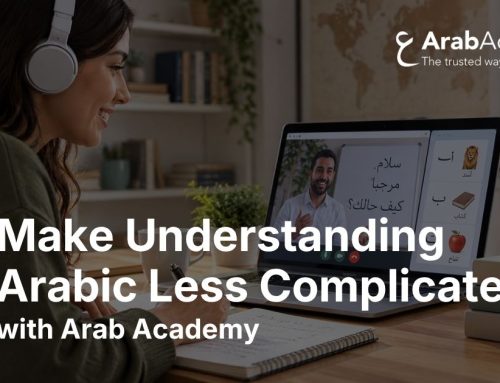

Embark on your journey to mastering the Arabic language, starting with essential foundational skills.
Learning the Arabic language’s basic elements opens doors to rich cultures, vibrant communities, and new opportunities. Our structured approach helps beginners grasp core concepts effectively, ensuring a solid start in Modern Standard Arabic. This foundational understanding is crucial for anyone looking to communicate, travel, or engage with the Arab world meaningfully.
Whether you dream of exploring ancient history, engaging in global business, or connecting with friends, getting your basic Arabic down is your first step. It’s about building confidence, sentence by sentence, word by word.
Why Start with the Basics of Arabic?
Laying a strong groundwork is key to long-term fluency.
Jumping into any new language can feel overwhelming, but focusing on the basics of Arabic makes the process manageable and rewarding. A strong foundation prevents future struggles, allowing you to build more complex language skills with ease. Think of it like constructing a house: a solid foundation ensures the entire structure stands firm.
Learning Arabic also connects you to a global community. Globally, Arabic is spoken by around 422 million people, making it the fifth most spoken language worldwide. Imagine the connections you can make, from Cairo to Casablanca, when you learn Arabic basics. This widespread use highlights its importance in international communication and cultural exchange.
Beyond communication, understanding basic Arabic can enhance your travel experiences and boost career prospects. There’s a high demand across diplomacy, finance, tech, and global businesses for Arabic speakers, coupled with a talent shortage. It’s an investment in both personal growth and professional advantage, supporting academic growth, intercultural awareness, and research ability.
What to Expect in a Basic Arabic Course
Your first steps into the language involve practical, engaging lessons.
A well-designed basic Arabic course will guide you through the essentials, making sure each new concept builds logically on the last. You’ll begin with the Arabic alphabet, mastering pronunciation and recognizing the unique script. This is often where many learners find their rhythm, as seeing and sounding out the letters becomes second nature.
Next, you’ll dive into essential greetings, introductions, and common phrases. Picture yourself, like Sarah from Canada, on your first trip to Egypt. Before her trip, she completed a basic Arabic class, learning key phrases like ‘Marhaba’ (hello) and ‘Shukran’ (thank you). These simple phrases transformed her interactions, making her feel more connected and welcomed by locals. It’s these small victories that truly motivate.
The curriculum typically covers basic Arabic vocabulary words related to everyday life, such as family, food, and common objects. You’ll also learn numbers, simple sentence structures, and how to ask and answer basic questions. Our courses focus on Modern Standard Arabic (MSA), providing a universally understood form of the language, perfect for foundational learning.
Our Approach to Learning Arabic Basics for Beginners
Arab Academy offers structured guidance and expert instruction.
Arab Academy understands the need for structured guidance when learning Arabic. We’ve honed our curriculum to provide a clear, progressive path for those looking to learn Arabic basics at level 1. Our methodology emphasizes interactive learning, ensuring you not only memorize but truly understand and apply what you’ve learned.
Our instructors are native speakers with extensive experience in teaching Arabic to non-native learners, creating a supportive and encouraging environment. Arab Academy is trusted by Universities in the U.S. and the UK, including Duke and Cambridge, for our commitment to high-quality language education. This recognition highlights our dedication to effective teaching practices.
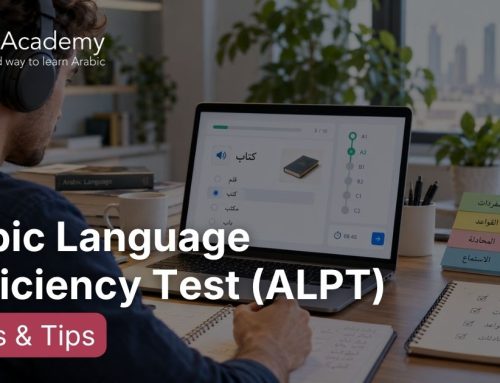
For children, our kids’ courses focus exclusively on Modern Standard Arabic, ensuring a consistent and strong start. Our Arabic Language Proficiency Test (ALPT) is also designed specifically for MSA, helping you track your progress accurately.
Flexible Learning Options
Fit learning seamlessly into your busy schedule.
Flexible Learning Options: We offer a variety of flexible learning options to fit your schedule and budget, including self-paced courses and live one-on-one online classes. This means you can choose the learning style that best suits your pace and personal commitments, whether you prefer to study independently or with direct instructor interaction.